Source eco friendly sweat absorption sport headbands for Yoga Running Leisure
Compare 30 listings of eco friendly sweat absorption sport headbands from verified Chinese manufacturers. Buyers can evaluate materials like spandex and cotton, customization options, and pricing for yoga, running, and daily use applications.
Key considerations
Products List




Comprehensive Sourcing Guide
Eco Friendly Sweat Absorption Sport Headbands Sourcing Guide
Sourcing eco-friendly sweat absorption sport headbands requires a nuanced understanding of material science, supply chain transparency, and performance engineering. These accessories serve a critical function in athletic apparel, managing moisture to maintain comfort and hygiene during high-intensity activities. The intersection of "eco-friendly" claims and functional "sweat absorption" capabilities creates a complex procurement landscape where buyers must distinguish between marketing terminology and verifiable material properties. This guide provides evidence-based procurement strategies to help buyers navigate the available product landscape, ensuring that selected suppliers meet both environmental standards and performance requirements.
The modern athletic market demands products that align with sustainability goals without compromising on durability or functionality. Buyers are increasingly scrutinizing the lifecycle of their accessories, from raw material sourcing to end-of-life disposal. Consequently, understanding the specific attributes of available headbands—such as fabric composition, elasticity, and packaging—is essential for making informed purchasing decisions. This guide focuses on the observed market signals, technical verification steps, and commercial considerations necessary to build a reliable supply chain for these specialized athletic accessories.
Product Scope and Observed Listing Signals
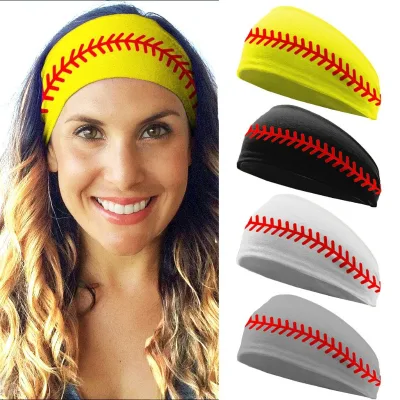
The current market for sport headbands exhibits a diverse range of product configurations, primarily targeting adult consumers for both women and unisex applications. Observed listings indicate a strong emphasis on solid colors and plain patterns, with some variations featuring colorful designs or specific shapes like bowknots. The material composition is predominantly a blend of spandex and cotton or pure polyester, chosen for their balance of stretch, comfort, and moisture-wicking properties. These materials are selected to ensure the headbands remain secure during dynamic movements such as running, yoga, and general sports activities, while also providing the necessary elasticity to fit various head sizes comfortably.
Commercial signals from the market reveal significant variability in customization options and packaging standards. Suppliers frequently offer OEM and ODM services, allowing brands to tailor products to specific aesthetic or functional needs. The observed price range spans from $0.15 to $2.25 USD, reflecting differences in material quality, order volume, and customization complexity. Minimum Order Quantities (MOQs) typically range from 50 to 3,000 units, catering to both small-batch boutique brands and large-scale retail distributors. Additionally, sample times of 7-10 working days and production times of 2-20 working days are common, indicating a responsive but variable supply chain that buyers must account for in their inventory planning.
Technical Specifications to Verify
Verifying the technical specifications of headbands is crucial to ensuring they meet the intended performance criteria for sweat absorption and durability. Buyers should prioritize products labeled with specific model numbers, such as HB7161 or DL-WB-15, as these often correspond to established production standards within the supplier’s catalog. The material composition is a primary technical factor; blends of spandex and cotton offer natural breathability and softness, while polyester variants may provide superior moisture-wicking capabilities and faster drying times. It is essential to confirm whether the product is adjustable or unadjustable, as this impacts fit consistency across different user demographics, particularly for unisex or universal fit claims.
Packaging and dimensional specifications also play a significant role in logistics and retail presentation. Observed data indicates that products are commonly packed in polybags, cartons, or OPP bags, with some suppliers offering customized packaging solutions to enhance brand visibility. Dimensions such as 18x6CM or specific weights like 17g provide tangible metrics for quality control and shipping cost calculations. Buyers must verify if the product is designed for general long lengths or specific sizes, and whether the thickness is medium or varies by model. Confirming these details ensures that the headbands will perform as expected in terms of fit, comfort, and physical presence on the shelf or in the package.
Compliance and Safety Documentation
While specific certification statuses like GOTS are mentioned in background data, buyers must independently verify the actual compliance documentation provided by suppliers. Eco-friendly claims should be backed by verifiable evidence, such as material safety data sheets or third-party audit reports, rather than relying solely on marketing labels. It is critical to ensure that the materials used, particularly dyes and elastic components, comply with international safety standards for textiles, including restrictions on harmful substances like azo dyes or heavy metals. Buyers should request detailed compliance certificates for each batch, ensuring that the products meet the regulatory requirements of their target markets, whether in Europe, North America, or Asia.
Documentation should also cover the manufacturing process and origin transparency. Products originating from regions like Yiwu, Zhejiang, or generally China, should come with clear proof of origin and adherence to local labor and environmental regulations. Buyers must verify that the "eco-friendly" designation is not merely a superficial claim but is supported by sustainable sourcing practices, such as the use of recycled polyester or organic cotton. Additionally, quality assurance documents should confirm that the products meet the stated standards, whether standard or custom, ensuring consistency across large orders. This due diligence protects the brand from reputational risks associated with false environmental claims or safety violations.
Cost Drivers and Commercial Terms
The cost of eco-friendly sport headbands is influenced by several key drivers, including material selection, customization complexity, and order volume. The observed price range of $0.15 to $2.25 USD reflects these variables, with higher prices typically associated with premium materials, intricate designs, or smaller order quantities. Buyers should analyze the cost structure to understand how much of the price is attributed to raw materials versus labor and overhead. Customization options, such as specific packaging or unique shapes, can significantly impact the final cost, so it is important to balance aesthetic preferences with budget constraints.
Commercial terms, including MOQs and lead times, are critical factors in total cost of ownership. MOQs ranging from 50 to 3,000 units allow for flexibility, but buyers must consider the storage and cash flow implications of larger orders. Production times of 2-20 working days require careful planning to avoid stockouts or excess inventory. Buyers should negotiate clear terms regarding payment schedules, shipping responsibilities, and return policies for defective goods. Understanding these commercial dynamics helps in building a resilient supply chain that can adapt to market fluctuations and demand changes without incurring unnecessary costs.
Supplier Qualification and Quality Control
Qualifying suppliers for eco-friendly sport headbands requires a rigorous assessment of their production capabilities and quality control processes. Buyers should verify the supplier’s ability to handle OEM and ODM requests, ensuring they have the technical expertise to produce customized products to exact specifications. It is essential to conduct factory audits or request third-party inspection reports to confirm that the manufacturing environment meets quality and safety standards. Suppliers should demonstrate a consistent track record of delivering products that match the described material compositions, dimensions, and performance characteristics.
Quality control measures should be integrated into the procurement process from sample approval to final shipment. Buyers must establish clear acceptance criteria for defects, such as stitching errors, color inconsistencies, or material flaws. Regular quality checks during production can help identify and rectify issues early, reducing the risk of receiving non-conforming goods. Additionally, suppliers should provide a robust mechanism for handling complaints and returns, ensuring that any quality issues are addressed promptly and fairly. Building a strong relationship with qualified suppliers fosters trust and ensures a steady supply of high-quality products that meet brand standards.
Long-Term Procurement Checks
Long-term procurement success depends on continuous monitoring of supplier performance and market trends. Buyers should regularly review supplier metrics, including on-time delivery rates, product quality consistency, and responsiveness to issues. Establishing key performance indicators (KPIs) helps in objectively evaluating supplier contributions to the supply chain. Additionally, staying informed about emerging materials and technologies in the eco-friendly textile sector can provide competitive advantages. Buyers should explore opportunities to innovate with new sustainable materials or production methods that align with evolving consumer preferences and regulatory requirements.
Sustainability should be a core component of long-term strategy, with regular assessments of the environmental impact of sourced products. Buyers should engage with suppliers to identify opportunities for reducing waste, energy consumption, and carbon footprint throughout the supply chain. This may involve optimizing packaging, sourcing local materials, or implementing circular economy principles. By prioritizing sustainability and continuous improvement, buyers can build a resilient and responsible supply chain that meets current demands while preparing for future challenges. This proactive approach ensures long-term viability and enhances brand reputation in the increasingly eco-conscious athletic apparel market.
FAQs
Can I get custom packaging for these headbands?
Yes, customized packaging is available for these products. The standard option includes each item in a poly bag, but you can request specific carton or custom packaging solutions to meet your branding needs.
What is the sample time for these headbands?
The sample time is typically 7 to 10 working days. This duration allows for the preparation of prototypes before moving into full production, which generally takes between 2 to 20 working days depending on order volume.
Which materials are used for these sport headbands?
These headbands are made from Spandex, Cotton, and Polyester blends. These materials provide high quality and eco-friendly properties suitable for yoga, running, and other sports activities while ensuring comfort and sweat absorption.
What is the minimum order quantity for these items?
The minimum order quantity ranges from 50 to 3000 units depending on the specific model and customization requirements. Buyers should check the specific product details to confirm the exact MOQ applicable to their order size.
How long does production take for these headbands?
Production time ranges from 2 to 20 working days after sample approval. This timeline varies based on the order quantity and whether standard or custom specifications are required for the final shipment.
Are these headbands suitable for outdoor sports?
Yes, these headbands are designed for outdoor usage including running and yoga. They feature eco-friendly materials and are suitable for adults and middle-aged users engaging in various sports and leisure activities.